
What Is Herpes and How Common Is It?
Herpes is caused by the Herpes Simplex Virus (HSV), a notorious disease that hides in your nerve cells after infection. In the U.S., herpes is extremely common: about 1 in 2 adults has HSV-1 (mostly oral), and roughly 1 in 8 has HSV-2 (mostly genital). Overall, more than 1 in 5 American adults aged 14–49 carries genital herpes (usually without knowing it), with higher rates among women and Black individuals. (Source: National Centres for Health Statistics). Once you have it, it sticks around for life, occasionally causing outbreaks like cold sores or genital blisters.- HSV-1: Usually oral herpes (cold sores) but can also infect the genitals.
- HSV-2: Usually genital herpes.
How Common is Herpes?
- 3.8 billion people worldwide have HSV-1
- Nearly 500 million people have HSV-2
- Many don’t even know they are infected
Did you know? A 2025 CDC update emphasizes routine STI screening, as early detection can prevent complications that may indirectly affect reproductive health.
Can Herpes Lead to Infertility in Women?
No, it cannot lead to infertility in women. Let’s make this very simple:- HSV-1 and HSV-2 do not damage the ovaries, fallopian tubes, uterus, or eggs
- There is no research proving that herpes causes infertility in women.
- Women with herpes have the same fertility rates as women without herpes.
- Herpes is NOT like chlamydia or gonorrhea.
- During outbreaks, sexual activity may need to be avoided
- This can delay conception, but it is not true infertility
Important note: Herpes simplex infections, if left untreated, can affect reproductive health by increasing the risk of complications in the reproductive system. Understanding symptoms, types, and timely testing is key to preventing potential fertility issues. Home testing for herpes provides a convenient way to detect the virus early and manage its impact on fertility.
Can Herpes Lead to Infertility in Men?
Possible, But Not Guaranteed. For men, the science is more interesting and more complicated. Some studies found HSV in semen and associated it with:- Lower sperm count
- Lower sperm motility
- Lower semen volume or quality
- Every study uses different testing methods
- HSV doesn’t always actively replicate
- DNA in semen ≠ is actual sperm damage
Can a Man with Herpes Get a Woman Pregnant?
Absolutely yes. Millions of people who have herpes do so every year. But if a man has herpes and:- Low sperm count
- Repeated outbreaks
- Other STIs
- Chronic stress
Herpes Virus That Can Affect Fertility: HHV-6A
There is a different herpes-family virus called Human Herpesvirus 6A (HHV-6A). This is not the virus that causes cold sores or genital lesions. HHV-6A may be linked to unexplained infertility in women.- Found in 43% of women with unexplained infertility
- Found in 0% of fertile women
- It causes inflammation in the uterine lining
- It may prevent embryos from implanting
Important: HHV-6A is NOT the same as HSV-1 or HSV-2. So common herpes does NOT cause this problem.Rph Labs Insights: If your doctor has labeled your case “unexplained infertility” after 6+ months, ask specifically for HHV-6A endometrial testing. It’s a simple biopsy that most clinics don’t routinely order, but it could reveal a treatable cause.
Herpes and Pregnancy: Safe Delivery is the Norm
Worried about pregnancy with herpes? Modern medicine has this figured out beautifully. Timing Matters:- First-trimester infection: Old myths about miscarriage are just that—myths. The Herpes Viruses Association confirms catching herpes early in pregnancy does not increase miscarriage risk.
- Third-trimester primary infection: This is the only scenario needing caution. If you get your first-ever outbreak near delivery and have active sores, there’s a small risk of passing the virus to your baby.
The only risk is: Less than 0.1% of babies born to mothers with genital herpes get neonatal herpes. That’s 1 in 1,000. When it happens, it’s almost always because the mother had her first outbreak during delivery.
Antiviral Medication & Personalized Dosing:
From 36 weeks of gestation, doctors prescribe:- Acyclovir 400 mg three times daily
- Valacyclovir 500 mg twice daily
- Clear antivirals too fast but weaker protection
- Clear them too slowly but have more side effects
- Need dosage adjustments for optimal suppression
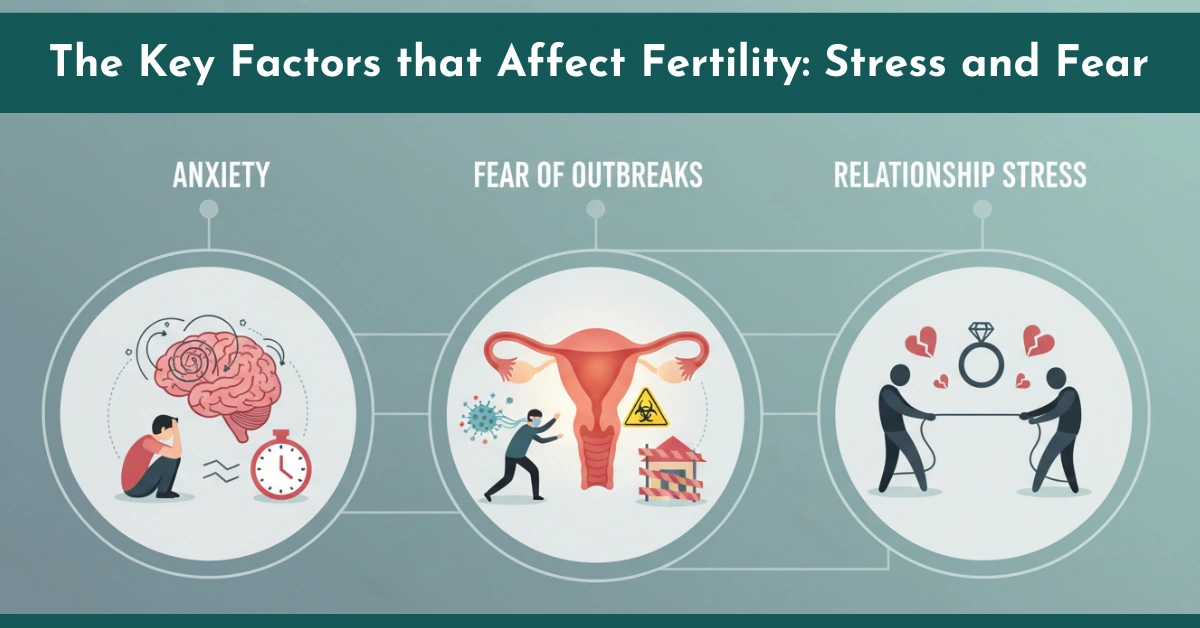
The Key Factors that Affect Fertility: Stress and Fear
Stress is a major fertility disruptor in BOTH men and women. Herpes often triggers:- Anxiety
- Fear of outbreaks
- Relationship stress
- Women with high STI-related stress had 23% lower conception rates
- Men with high stress had decreased sperm motility
Special Note From Rph: If you need mental health medication, PGx testing kit available on Rph Labs helps your doctor choose the safest and most effective option before you start trying to conceive.
IVF and Herpes: Special Rules You Should Know
Planning IVF? Your clinic should follow these 2025 best practices:- Suppressive antivirals are mandatory during ovarian stimulation (high hormones can trigger outbreaks).
- HHV-6A endometrial testing before embryo transfer if you’ve had failed cycles.
- If HHV-6A is positive, some specialists use heparin (yes, the blood thinner) for its antiviral effects plus immune support.
Your Pre-Conception Action Plan
Before trying to conceive with herpes, complete these 7 steps:- Confirm your herpes type (HSV-1 vs HSV-2) via PCR testing
- Avoid Sex during outbreaks. This prevents transmission and avoids irritation or timing issues
- Get baseline fertility testing: semen analysis for him, ovarian reserve for her
- Ask about HHV-6A testing if you’ve been trying 6+ months without success
- Start suppressive antivirals 3 months before conception
- Order PGx testing to personalize your medication doses
- Track outbreaks with a phone app to spot patterns
- Talk openly with your partner about timing and protection
When to Call a Specialist
Make an appointment if:- You’ve timed intercourse well for 12 months (6 months if over 35) with no pregnancy
- You get outbreaks every month despite standard antivirals
- Your partner’s sperm test shows low count or motility
- You’ve had two or more miscarriages and want HHV-6A screening
Conclusion:
Can herpes lead to infertility? The herpes simplex viruses that cause cold sores and genital lesions cannot. The related virus HHV-6A might play a role in unexplained cases, but it’s testable and treatable. With modern antivirals, genetic testing to personalize your dose, and proper timing, herpes is a manageable detail—not a roadblock to parenthood. Your genetics matter more than you realize. Whether it’s getting your antiviral dose exactly right or choosing mental health medications that support conception, RPh Labs’ at-home PGx testing gives your doctor the roadmap to treat you as an individual—not an average patient. Disclaimer: This is for learning purposes only and is not medical advice. Always consult your healthcare provider regarding herpes, fertility, or pregnancy concerns. Some visuals in this article are AI-generated and meant for illustrative purposes.Frequently Asked Questions
Can herpes make you infertile if you ignore it?
No. HSV never causes infertility, even untreated. But frequent outbreaks can delay conception for months.
Can herpes affect IVF success rates?
Not directly. Active outbreaks might force cycle cancellation, but with suppressive therapy, IVF success rates are identical to those without herpes.
Do I need to tell my fertility clinic about herpes?
Absolutely. They need to prescribe suppressive therapy and can order HHV-6A testing if needed.
Can a man with herpes get a woman pregnant naturally?
Yes, Sperm count might be slightly lower, but most men conceive naturally within a year.

Leave a Reply