

Families often ask is MS hereditary after a parent or sibling is diagnosed, and the honest answer is that multiple sclerosis clusters in families without being passed down like eye color. Below you will find how risk really works, how an MS diagnosis is made, and what current treatment involves.
On this page
Multiple Sclerosis (MS) is a chronic neurological disease that affects the central nervous system (CNS), where the body’s immune system attacks its own nerve fibres and myelin (the protective layer around nerve fibers), mainly in your brain and spinal cord. And if you are wondering, ‘Is MS Hereditary?’, while not always hereditary, having this disease in your inheritance increases the chances of you getting it.
Maintaining a healthy lifestyle with adequate vitamin D levels, a balanced diet, and avoiding smoking can help reduce risks. Let’s look at MS, its types, contributing factors, prevention tips (especially for couples with MS looking to have a baby), and more.
Define Multiple Sclerosis
MS is an autoimmune disease where the immune system attacks the myelin, a fatty substance that insulates the nerve fibers in the CNS. This results in inflammation, scarring, and disruption in the transmission of nerve signals.
More common in women than men, with a 2-3 times higher risk for women. MS is most often diagnosed between the ages of 20 and 40.
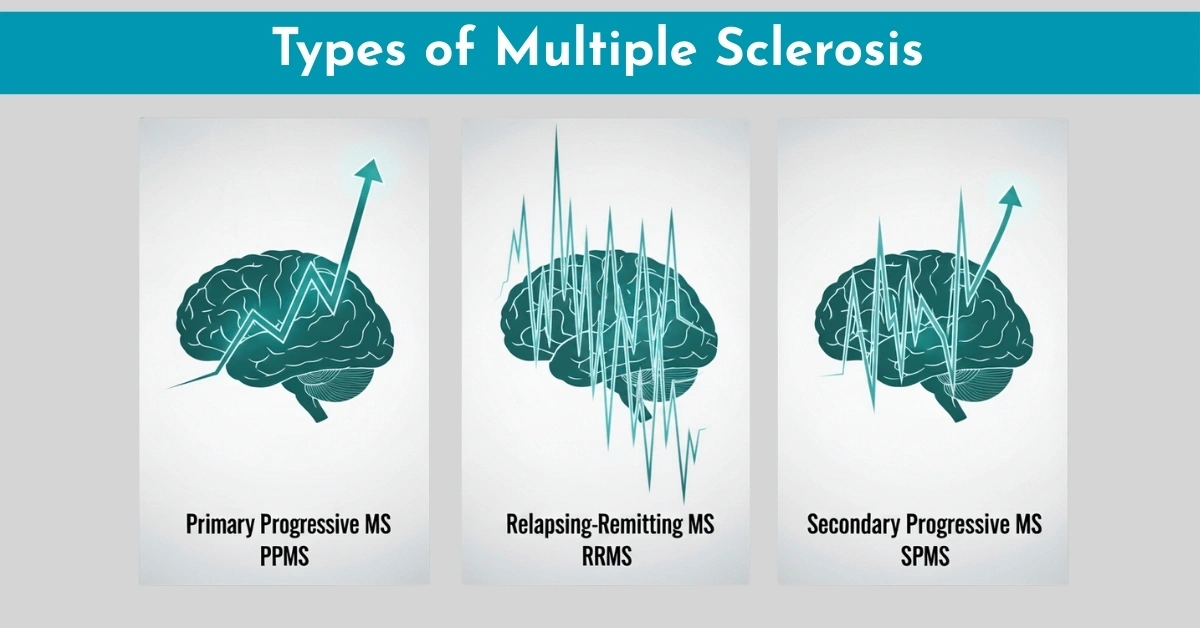
Types of Multiple Sclerosis:
- Relapsing-Remitting MS (RRMS): Most common form, marked by flare-ups followed by periods of recovery.
- Primary Progressive MS (PPMS): Gradual worsening from the onset without clear periods of remission.
- Secondary Progressive MS (SPMS): Follows RRMS after a period of relapsing-remitting disease.
Genetic Factors in MS
MS is not directly inherited in a Mendelian fashion, but genetic susceptibility can influence your risk.
- Family history: If a first-degree relative (parent, sibling) has MS, your risk increases. However, most people with MS do not have a family history of the disease.
- Inherited MS genes: Certain genetic variants (e.g., HLA-DRB1 gene) are linked to MS susceptibility. However, these genes alone are not enough to cause MS; they work alongside environmental triggers.
Hereditary Patterns of Multiple Sclerosis
While MS may be experienced without the effects of inheritance as well. Inheritance typically has strong effects:
- Increased Risk: Siblings of someone with MS have a higher risk compared to the general population.
- Generational Passing: While MS can run in families, it does not necessarily skip generations. Environmental and lifestyle factors also affect the likelihood of disease manifestation.
Did you know?
There is no genetic test that diagnoses MS, and no gene on a medication-response panel guides MS disease-modifying therapy. An at-home PGx test from RPh Labs reports only how your body may process certain other medicines, such as some antidepressants and pain medicines, and your prescriber decides what to do with the report.
Multiple Sclerosis Contributing Factors
The causes of MS are complex, and while some risk factors are genetic, environmental influences also play a crucial role. Some of the factors that may contribute to the occurrence of Multiple Sclerosis (MS) are as follows:
1. Environmental Triggers:
- Vitamin D deficiency: Low levels of vitamin D have been linked to a higher risk of MS. People living in areas with limited sunlight, especially in northern latitudes, are at greater risk.
- Viral infections: Infections such as the Epstein-Barr virus (EBV) have been linked to the development of MS.
- Smoking: Smoking increases the risk of developing MS and can accelerate its progression in those already diagnosed.
2. Lifestyle Choices:
- Obesity: Studies show that obesity, particularly during adolescence, may increase the likelihood of developing MS.
- Diet: While no specific diet has been proven to prevent MS, a balanced diet with adequate vitamin D and omega-3 fatty acids may help in reducing risks.
The MS Society explains that smoking not only increases your chances of getting MS but can also worsen MS symptoms.
Passing Multiple Sclerosis to Your Baby
Parents with MS who are planning a baby usually have questions about how much risk they pass on:
Parental Influence
What a child inherits is a susceptibility, not the disease itself, and it can come from either parent. Some studies have reported a slightly higher risk when the mother has MS, but that finding is not settled and there is no confirmed X chromosome explanation for it. Either way, the absolute risk to any one child stays low.
MS Transmission Risk — Mother vs. Father: If the mother has MS, the risk to her child is slightly higher compared to if the father has MS. However, the overall risk remains low.
Precautionary Measures for Parents Planning a Baby
Genetic counseling is suggested to parents with MS or a family history of MS. This helps them understand their risks and the probability of passing the condition on to their baby. Moreover, if a child is born into a family with MS, early monitoring can help in early diagnosis and intervention, should any signs of MS appear later in life.
Natural Remedies for Multiple Sclerosis
While medical treatments are essential for managing MS, natural remedies can also support symptom management and improve quality of life. Here are a few examples:
- Vitamin D: Research suggests that adequate vitamin D levels may help in reducing MS relapse rates. You can get vitamin D through sunlight exposure and supplements.
- Omega-3 Fatty Acids: Found in fish oil, omega-3 fatty acids have been studied for their potential anti-inflammatory properties, which could benefit MS patients.
- Turmeric (Curcumin): Curcumin, the active compound in turmeric, has anti-inflammatory effects in laboratory studies, but it has not been shown to improve MS symptoms in people. Ask your neurologist before adding it, since supplements can interact with MS medicines.
- Cayenne Pepper: Topical capsaicin, the active compound in chili peppers, is used for some kinds of localized nerve pain, but eating cayenne pepper has not been shown to treat MS or MS symptoms.
- Yoga and Meditation: Regular yoga and meditation can reduce stress, a known MS trigger, and improve muscle strength and flexibility.

Is ms hereditary, or is risk just higher in some families?
When people ask is MS hereditary, they usually mean whether it will be handed down. Multiple sclerosis is not inherited in a single-gene pattern. There is no dominant or recessive MS gene, and no family tree that predicts who is next.
What is true is that relatives of someone with MS have a higher risk than the general population, and identical twins share risk more often than fraternal twins. Even so, the great majority of close relatives never develop MS, and most people diagnosed with it have no affected relative at all.
So both statements hold at once: genetics matter, and MS is not a hereditary disease in the everyday sense. Risk reflects many common variants, each small on its own, combined with exposures such as low vitamin D, Epstein-Barr virus infection, smoking, and adolescent obesity.
The practical takeaway is modest and useful. Knowing the early MS symptoms, not smoking, and asking your clinician about vitamin D are reasonable steps. Genetic testing to predict MS is not, because no such test exists.
Which genes are involved, and why no gene test predicts ms
More than 200 genetic regions have been associated with MS susceptibility. The strongest signal by far sits in the HLA region, particularly HLA-DRB1, which helps the immune system tell self from non-self. Dozens of other immune genes each add a fraction of risk.
Variants that common cannot single out an individual. Many people without MS carry the same HLA types, so a positive result would not mean disease and a negative result would not mean safety. That is why no clinical guideline recommends genetic screening for MS risk in relatives.
This is also where the RPh Labs panel needs a clear boundary. It is a pharmacogenomic panel of 20 genes that describe how the body processes medicines, and HLA is not one of them. Pharmacogenomic testing does not diagnose MS, does not track it, and cannot say whether a family member will develop it.
If you want to understand inherited risk in your own family, a neurologist or a genetic counselor is the right stop. For background written for patients, the National Human Genome Research Institute keeps a plain-language genetics glossary.
Early ms symptoms that send people to a neurologist
MS symptoms depend on where inflammation lands in the brain, spinal cord, or optic nerve, so two people can have very different first episodes. Most early attacks build over days and then improve over weeks.
- Optic neuritis: blurred or dim vision in one eye with pain on eye movement.
- Numbness or pins and needles spreading up a limb or across the trunk.
- Weakness or heaviness in one leg, with tripping or foot dragging.
- Double vision or new unsteadiness and vertigo.
- Band-like tightness around the chest or abdomen.
- An electric sensation down the spine when bending the neck forward.
- Bladder urgency or incomplete emptying.
- Heavy fatigue and heat sensitivity that worsen in hot weather or a hot shower.
Fatigue and brain fog are among the most disabling MS symptoms and the least visible to other people. They are worth raising even when they feel too vague to mention.
Sudden severe symptoms still need emergency assessment, because stroke and other causes can look similar at the start. Call 911 for sudden face droop, one-sided weakness, or slurred speech rather than assuming a relapse.
How an ms diagnosis is actually made
An MS diagnosis is a clinical one, supported by imaging and laboratory work, and it requires evidence of damage in more than one place in the central nervous system at more than one point in time. There is no single blood test that confirms it.
- A neurological history and examination map which pathways are affected.
- MRI of the brain and often the spinal cord looks for characteristic lesions, with and without contrast.
- Blood tests rule out conditions that mimic MS, including vitamin B12 deficiency, thyroid disease, Lyme disease, and other autoimmune conditions.
- A lumbar puncture may be done to look for oligoclonal bands in the spinal fluid.
- Evoked potential studies are sometimes used to measure how fast signals travel along nerve pathways.
Because mimics matter, an MS diagnosis is often confirmed by a neurologist who specializes in demyelinating disease. Ask for copies of your MRI report and any spinal fluid results, since they travel with you if you move or change clinics.
Being told you have a single episode, sometimes called clinically isolated syndrome, is not the same as MS. It does mean planned follow-up imaging rather than waiting for something worse.
What ms treatment looks like today
Modern MS treatment has three separate jobs, and mixing them up causes a lot of confusion. Every option below is chosen with your neurologist, based on your MRI, your relapse history, your other conditions, and pregnancy plans.
- Disease-modifying therapies reduce relapses and new lesions over years. They include injectable interferons and glatiramer, oral agents such as fumarates, sphingosine-1-phosphate modulators and teriflunomide, and infused monoclonal antibodies such as anti-CD20 therapies and natalizumab.
- Relapse treatment is usually a short course of high-dose corticosteroids to shorten an attack.
- Symptom management covers spasticity, bladder problems, neuropathic pain, tremor, mood, and fatigue, and often involves physical and occupational therapy as much as medicine.
Disease-modifying MS treatment needs monitoring: blood counts, liver tests, infection screening before starting some agents, and repeat MRI. Do not stop or pause one on your own, because some carry a risk of rebound disease activity after stopping.
Rehabilitation is not a consolation prize. Graded exercise, physical therapy, and energy management change day-to-day function even when the MRI is stable.
Vitamin d and ms: what the evidence supports
The link between vitamin D and MS is one of the strongest environmental signals in the field. MS is more common further from the equator, and low vitamin D levels are associated with higher risk and with more MRI activity in people already diagnosed.
Association is not the same as proof that supplements prevent or treat MS. Trials of high-dose vitamin D added to standard therapy have not shown the clear benefit that the observational data suggested, so vitamin D is not a substitute for disease-modifying treatment.
What is reasonable is having your level checked and correcting a deficiency with your clinician, at a dose they set. Very high doses taken without supervision can raise calcium levels and harm the kidneys, so this is not a more-is-better situation.
Smoking is the other modifiable factor with consistent evidence behind it. Quitting is linked to lower risk of developing MS and to slower progression afterwards, which makes it the single highest-value change available alongside vitamin D and ms monitoring.
Family planning when a parent has ms
People with MS can and do have children. The question is MS hereditary comes up hardest here, so it helps to separate the small rise in a child’s lifetime risk from the practical decisions that actually need making.
- Discuss medicines before conception. Some disease-modifying therapies are stopped or switched in advance, and the timing differs a lot between drugs.
- Relapses often become less frequent during pregnancy and more likely in the first months after delivery, which is worth planning support around.
- Breastfeeding is compatible with some therapies and not others, so decide with your neurologist rather than online.
- Genetic counseling can put a child’s risk in context, though there is no prenatal or predictive test for MS.
- Fatigue planning, childcare help, and a written relapse plan matter more day to day than the genetics.
Nothing here should be acted on alone. Stopping a disease-modifying therapy without a plan can allow disease activity to return, so the decision and the timing belong with your prescriber.
Where pgx testing fits with ms medicines, and where it does not
Being straight about this matters: no pharmacogenomic test predicts MS, measures it, or guides the choice of a disease-modifying therapy. The major MS drugs do not have established gene-drug dosing guidance, so a gene report will not pick between them.
Where genes do get involved is the supporting medicine list that tends to grow around MS. Antidepressants and some pain medicines depend on CYP2D6 and CYP2C19, and amitriptyline and duloxetine are common examples in neuropathic pain. Baclofen, gabapentin, and pregabalin are cleared mainly by the kidneys, so dosing there follows kidney function, not genotype.
That mixed picture is the point. A pharmacogenomic report helps with part of the cabinet and not the rest. Our medication list shows which drugs map to which of the 20 genes, and what PGx testing is explains what a report can and cannot say.
If antidepressants are part of your MS treatment plan and results have been inconsistent, that is a reasonable moment to ask a prescriber whether an at-home cheek swab test would add anything. Current gene-drug recommendations are published openly by CPIC.
Conclusion
Multiple Sclerosis (MS) is a chronic disease triggered by both genetic and environmental factors. If you have this disease in your genes, smoking can be your worst enemy; it cannot only increase the risk of you getting it but can also worsen the symptoms.
Although having a family member with MS increases the likelihood of developing the disease, it is not entirely hereditary. Maintaining a healthy lifestyle (explained above), regular medical check-ups, and consulting genetic counsellors if planning a family are the best ways to manage the risk.
Disclaimer: This blog is for informational purposes only and does not constitute medical advice. While we strive for accuracy, errors or omissions may occur. Moreover, some images in this blog may be AI-generated or for illustrative purposes only.
Is ms hereditary? Frequently asked questions
Is MS hereditary?
MS is not strictly hereditary but genetic factors can increase the risk. Environmental triggers, such as lack of sunlight, also play a key role.
What are the lifestyle risk factors for MS?
Smoking, obesity, and vitamin D deficiency are all major lifestyle factors linked to a higher MS risk.
What are the first signs of MS?
Early signs can include dizziness, numbness, vision problems, weakness, confusion or even memory loss. If you notice such signs, consider discussing with your healthcare specialist.
Can MS be cured?
While there is no cure for MS, treatments can help manage symptoms and slow progression.
Are there natural remedies for MS?
No supplement treats MS. Vitamin D and omega-3 fatty acids are the most studied, and yoga and meditation can help with stress, fatigue and flexibility. Turmeric and cayenne pepper are not proven remedies for MS symptoms. Check with your neurologist first, because supplements can interact with MS medicines.
Should my children be tested because I have MS?
No test can predict MS in a child. More than 200 genetic regions each add a little risk, and the strongest, HLA-DRB1, is common in people who never develop MS. Genetic counseling can explain the numbers, but there is no screening test worth ordering for a healthy relative.
What is the difference between a relapse and normal fatigue?
A relapse means new or clearly worse neurological MS symptoms lasting more than 24 hours without infection or fever. Ordinary fatigue fluctuates through the day and improves with rest. Infections and heat can temporarily worsen old symptoms, which is called a pseudo-relapse and needs a different response.
Does an MS diagnosis always show up on the first MRI?
Not always. An MS diagnosis needs evidence of damage in more than one location and at more than one time, so a single scan can be inconclusive. Neurologists often repeat imaging after a few months, and spinal fluid results can shorten that wait.
Do I need a vitamin D supplement if I have MS?
Ask your clinician to check your level first. Correcting a deficiency is reasonable, and the connection between vitamin D and ms risk is well documented. Trials have not shown that high doses replace disease-modifying therapy, and very high doses taken unsupervised can raise calcium and strain the kidneys.
Can diet or turmeric replace MS treatment?
No. A balanced diet, exercise, and stopping smoking support general health and may help fatigue, but no food or supplement has been shown to reduce relapses or new lesions. Keep them as additions to medical care, and tell your prescriber about supplements because some interact with prescriptions.
Does MS shorten life expectancy?
Most people with MS live a near-normal lifespan, and outcomes have improved as treatment has. Course varies widely between individuals, so prognosis is a conversation for your own neurologist, who can look at your MRI, your relapse pattern, and how you are responding to therapy.



Leave a Reply