
What Does It Mean When Depression Symptoms Return?
Clinicians use two separate terms here, and the difference matters.- Relapse means symptoms reappear before you’ve fully recovered from your last episode.
- Recurrence means a new episode starts after you’d already gotten well and stayed well for a while, a distinction laid out in clinical research on relapse prevention.
What Causes Depression to Come Back?
A handful of things drive most relapses: added stress, stopping treatment too soon, missed medication doses, poor sleep, and physical health changes. Common triggers include:- Major stress.
- Stopping treatment early.
- Missed or inconsistent doses.
- Poor sleep.
- New physical health issues.
- Alcohol or substance use.
- How your body breaks down your medication.
Can Antidepressants Stop Working Over Time?
Yes, for some people. This pattern is sometimes called breakthrough depression, and it isn’t only about stress or willpower. Liver enzymes named CYP2D6 and CYP2C19 break down many common antidepressants, including citalopram, fluoxetine, and paroxetine, and genetic differences in those enzymes change how much medication stays active in your body. Fast metabolizers may clear a drug before it builds up enough to work. Slow metabolizers may build up too much of it, which can cause side effects that lead someone to stop taking it. This isn’t a fringe idea: CPIC’s clinical guideline on these genes notes the FDA already recommends a lower maximum citalopram dose for people with a slow CYP2C19 profile, because of a heart-rhythm risk.| Medication | Main Gene Involved | Why It Matters |
| Citalopram | CYP2C19 | Slow metabolizers may need a lower max dose (FDA-labeled heart-rhythm caution) |
| Fluoxetine | CYP2D6 | Affects how long the drug stays active in your system |
| Paroxetine | CYP2D6 | Slow metabolizers may see more side effects at standard doses |
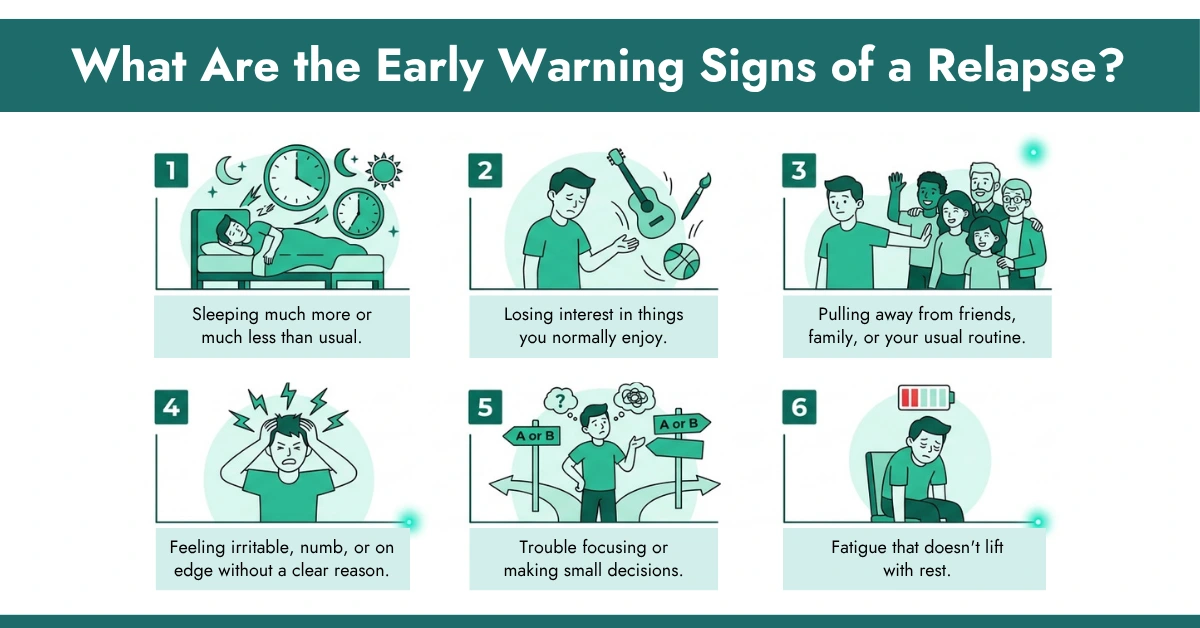
What Are the Early Warning Signs of a Relapse?
Warning signs usually show up before a full episode does. Watch for:- Sleeping much more or much less than usual.
- Losing interest in things you normally enjoy.
- Pulling away from friends, family, or your usual routine.
- Feeling irritable, numb, or on edge without a clear reason.
- Trouble focusing or making small decisions.
- Fatigue that doesn’t lift with rest.
 How Long Do Depressive Episodes Usually Last?
Length varies quite a bit. Untreated episodes often run six months or longer. With treatment, many people notice a shift within weeks, though full recovery usually takes longer than symptom relief does.
A less common pattern, called recurrent brief depression, involves short episodes, often just a few days, that repeat roughly once a month over a year or more. It carries the same symptom severity as a typical episode despite the shorter length, which is why it’s worth describing your exact pattern to a doctor instead of just saying “I’ve been depressed again.”
How Long Do Depressive Episodes Usually Last?
Length varies quite a bit. Untreated episodes often run six months or longer. With treatment, many people notice a shift within weeks, though full recovery usually takes longer than symptom relief does.
A less common pattern, called recurrent brief depression, involves short episodes, often just a few days, that repeat roughly once a month over a year or more. It carries the same symptom severity as a typical episode despite the shorter length, which is why it’s worth describing your exact pattern to a doctor instead of just saying “I’ve been depressed again.”
Does Depression Ever Fully Go Away?
For a lot of people, yes. Remission can last for years, especially with ongoing follow-up care. For others, depression runs a more up-and-down course, and that pattern doesn’t mean the treatment failed or that something went wrong. The numbers explain why relapse planning matters: about half of people who experience one depressive episode will have another, and that risk climbs to roughly 70% after a second episode and 90% after a third, per the British Journal of General Practice. Each additional episode is a reason to build a stronger prevention plan, not a sign you’re back at square one.How Can You Lower Your Risk of Another Depression Relapse?
A few things make the biggest difference: staying in follow-up care after you feel better, tracking your own early warning signs, and never stopping medication abruptly. Knowing how your body processes your specific medication is the piece people miss most. Steps worth building into your routine:- Keep therapy or check-in appointments going for months after symptoms improve, not just until they do.
- Track your mood weekly, even with a short checklist like the PHQ-9.
- Taper or switch medication only under your prescriber’s guidance, never on your own.
- Protect sleep and build stress-management habits during stable stretches, not just during a crisis.
- Ask about a pharmacogenomic test if you’ve cycled through more than one medication without a clear answer for why one stopped working.
Conclusion:
Depression that returns isn’t a personal failure, and it isn’t rare. It’s a pattern with real, checkable causes, from sleep and stress to how your specific body handles a specific medication. Bring your symptom timeline to your next appointment, and if you’ve cycled through more than one antidepressant without knowing why one stopped working, ask your prescriber whether pharmacogenomic testing fits your situation. RPh Labs at-home test costs $299, covers 240+ medications including common antidepressants, and takes just a cheek swab, with results back in 7-10 business days. A four-payment plan and HSA/FSA eligibility make it more accessible, and coverage currently reaches 45 states check where we serve to confirm your state before ordering. Questions about a result belong with your prescriber or with RPh Labs clinical team.Disclaimer:
This article is for general education and isn’t a substitute for medical advice, diagnosis, or treatment. Talk with your doctor, psychiatrist, or pharmacist before starting, stopping, or changing any medication.FAQs
Feeling better isn’t the same as full recovery. Stress, missed doses, poor sleep, or stopping treatment early can bring symptoms back, and for some people, genetics affects how well a medication keeps working. Yes. It’s sometimes called breakthrough depression, and it can happen from new stress, missed doses, or how your liver metabolizes the drug through enzymes like CYP2D6 or CYP2C19. It’s common. About half of people with one depressive episode have another, and the risk rises with each additional episode, according to research in the British Journal of General Practice. A bad week usually passes in a few days on its own. Relapse tends to involve several symptoms together, like sleep changes, low interest, and low energy, lasting two weeks or more. Early signs often include disrupted sleep, losing interest in things you enjoy, withdrawing from people, and fatigue that doesn’t improve with rest. Yes. Major stress, like a loss, job change, or illness, is one of the most common relapse triggers, even in people doing well on treatment. Talk with your prescriber before changing anything. They can review your history, symptoms, and sometimes genetic factors that affect your medication, to decide together. It varies by person and severity. Some episodes ease within weeks, especially with a treatment adjustment; others last months without one. Yes. Continuing therapy after symptoms improve, especially cognitive behavioral therapy, is linked to a lower chance of relapse than stopping treatment right away. Yes. Some people on steady treatment still get breakthrough symptoms, often tied to added stress or a medication that’s no longer well matched to their body.Frequently Asked Questions
Why did my depression come back even though I was feeling better?
Can antidepressants stop working over time?
Is it normal for depression to return after months or years?
How do I know if I’m relapsing or just having a bad week?
What are the first warning signs of depression returning?
Can stress alone trigger another depressive episode?
Should I restart medication if symptoms come back?
How long does a depression relapse usually last?
Does therapy reduce the chance of relapse?
Can depression return even if I never stopped treatment?
Leave a Reply